Free course › Module 1
Lesson 8 of 10 · 10 min
Just ship! Don’t waste time perfecting in the beginning
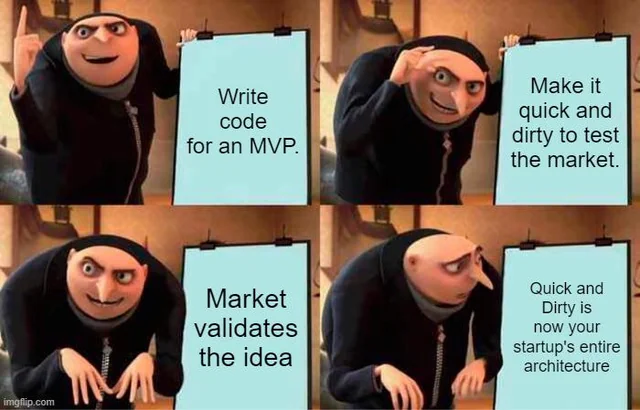
Here’s one of the biggest roadblocks for aspiring software builders: perfectionism. It’s incredibly tempting to keep polishing, tweaking, and fine-tuning your app until every pixel feels just right, especially when you’re building something you care deeply about. As you build things, you realise it would be great to add this feature, add that feature. Add something else shiny you saw on another website. The list can be endless frankly!
But here's the truth: if you're the only person using it, you're not building a product. You're building a pet project.
You don’t need to wait until your software is “finished” (spoiler: it never really is). What you need is to ship something. Something real. Something users can interact with. That’s how you find out whether your idea actually has legs: by testing product/market fit in the real world. Until that happens, you’re operating on guesswork. This very website was shipped well before all the modules were completed, and with a few missing features from the site. It will also be ok though as it doesn't have to be perfect.
Instead of building the entire vision upfront, focus on developing a Minimum Viable Product (MVP). This is a lightweight version of your app that includes only the core functionality necessary for early users to experience the main value you’re offering. It’s your proof of concept, the spark that lights the fire.
Let’s say you’re building an AI-powered resume builder. Rather than adding every feature under the sun (job-specific templates, cover letters, portfolio links, analytics, etc.), your MVP might focus on generating a single high-quality resume from user input. That alone is enough to get feedback, test your core premise, and prove demand. And once you see people getting value from that MVP, you’ll feel way more confident in continuing to build.
If you're seeking investors, getting to this point is also good to show them a working prototype. It gives them a chance to get a look and feel for the soution and understand you're really building this and it's not just smoke in the air.
At this stage, consider launching a beta program. Offer users early access in exchange for feedback or a reward, like discounted or free access once the platform officially launches. Reach out to potential users where they already hang out: industry forums, Discord groups, Reddit threads, Twitter (X), niche Facebook communities, even in-person meetups. Wherever they are, go there.
You can also host live demos or book short intro calls with users. Walk them through the product and showcase what you’ve built so far. Not only does this help you gather valuable insights, but it shows your users that you’re actively listening, and that you’re building something with them, not just for them.
Don’t forget to promote your beta program on social media as well. Invite people to sign up and help shape the future of your product. You might be surprised by the interest you generate, and you’ll definitely learn more than you would by just building in a vacuum. Of course, don't forget to ask the AI to help you build our your marketing a social media plan with daily posts and activies for the various sites out there.
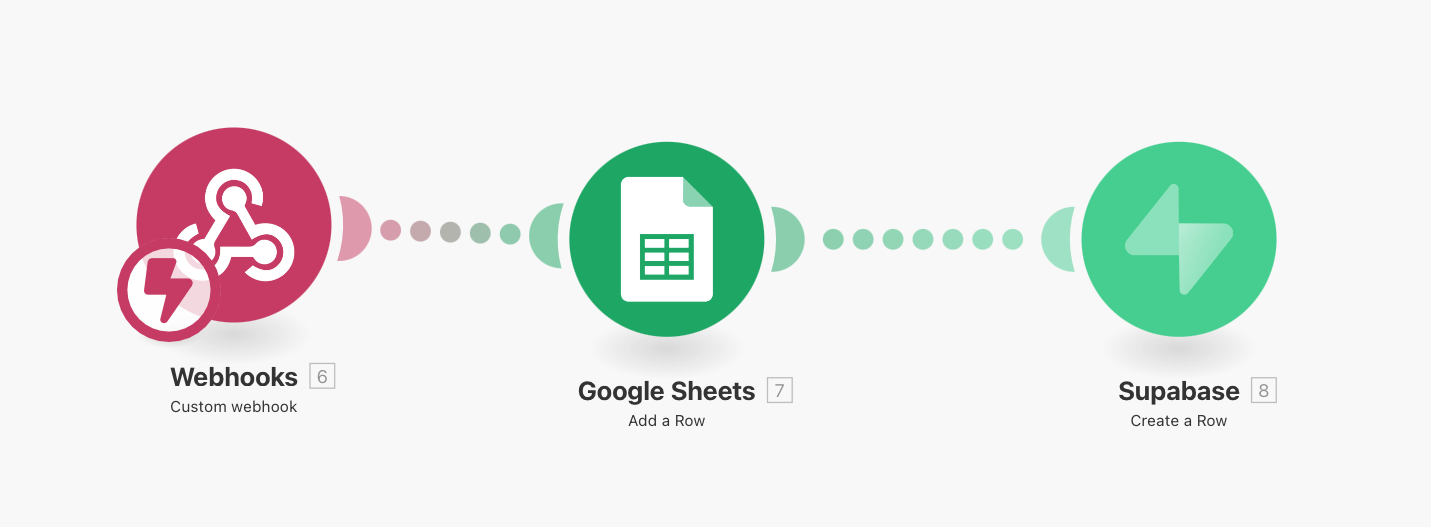
From a technical standpoint, you’ll want to build in some infrastructure to support this beta phase. One great approach (which we’ll cover in more depth later) is to use an automation flow: let users sign up via a form, automatically add their email to a Google Sheet, and then push that info into a beta_whitelist table in your backend. This allows you to restrict access only to beta testers while keeping the general public out for now.
Here's my workflow in another app I have that does this exact process using make.com that's super simple to setup!
Within your app, give testers a clear way to provide feedback. A contact form where they can attach screenshots and describe issues or ideas is incredibly useful. You should also track enhancement requests and bugs. This is the goldmine that tells you what users actually want.
To make the most of this phase, consider building a simple internal dashboard to monitor key usage metrics. See which features get the most love. Identify potential bottlenecks. Track usage of paid APIs or third-party services like LLMs or scraping tools. Sometimes these costs can sneak up on you if usage spikes during beta.
Ultimately, your beta phase is a safe space to learn, adapt, and grow your product with real users, real data, and real stakes. It helps you answer the most important question of all: “Is this thing actually useful to the people I built it for?”
Best Practices for Shipping and Running a Beta Stage:
-
Don’t chase perfection. Ship your MVP early.
You’ll learn far more from real users than from continued solo polishing. -
Define and limit your scope.
Focus on building just enough for users to see value and validate your core idea. -
Set up a structured beta program.
Offer free access or perks in exchange for feedback and early usage. -
Promote where your users already are.
Find communities or platforms where your target audience spends time. -
Host calls or live demos.
Walk people through your product and gather real-time feedback. -
Use an automation flow for onboarding.
Streamline beta access using tools like Google Sheets and backend whitelisting. -
Provide easy ways for users to give feedback.
Include screenshot upload forms, bug trackers, and enhancement request features. -
Monitor feature usage and resource load.
Build a simple dashboard to track where your product is being used most, and where it might cost you. -
Plan for scalability as your beta grows.
Watch how your system handles user load and make adjustments gradually. -
Keep iterating based on real feedback.
Every insight from a beta user is an opportunity to make your product better.
Questions to Consider:
- What’s the minimum version of your product that still delivers value to users?
- How will you find and recruit your first beta testers?
- Are you collecting feedback in a structured way that helps you make informed decisions for your next build?